Natural Oak
Light, open, and familiar. Natural Oak works well with white walls, linen upholstery, stone counters, and family dining spaces.
Materials / Finishes
The finish system is narrow on purpose. Natural oak, warm oak, walnut, ash, smoked oak, and black ash cover the room moods most often requested for contemporary American interiors.
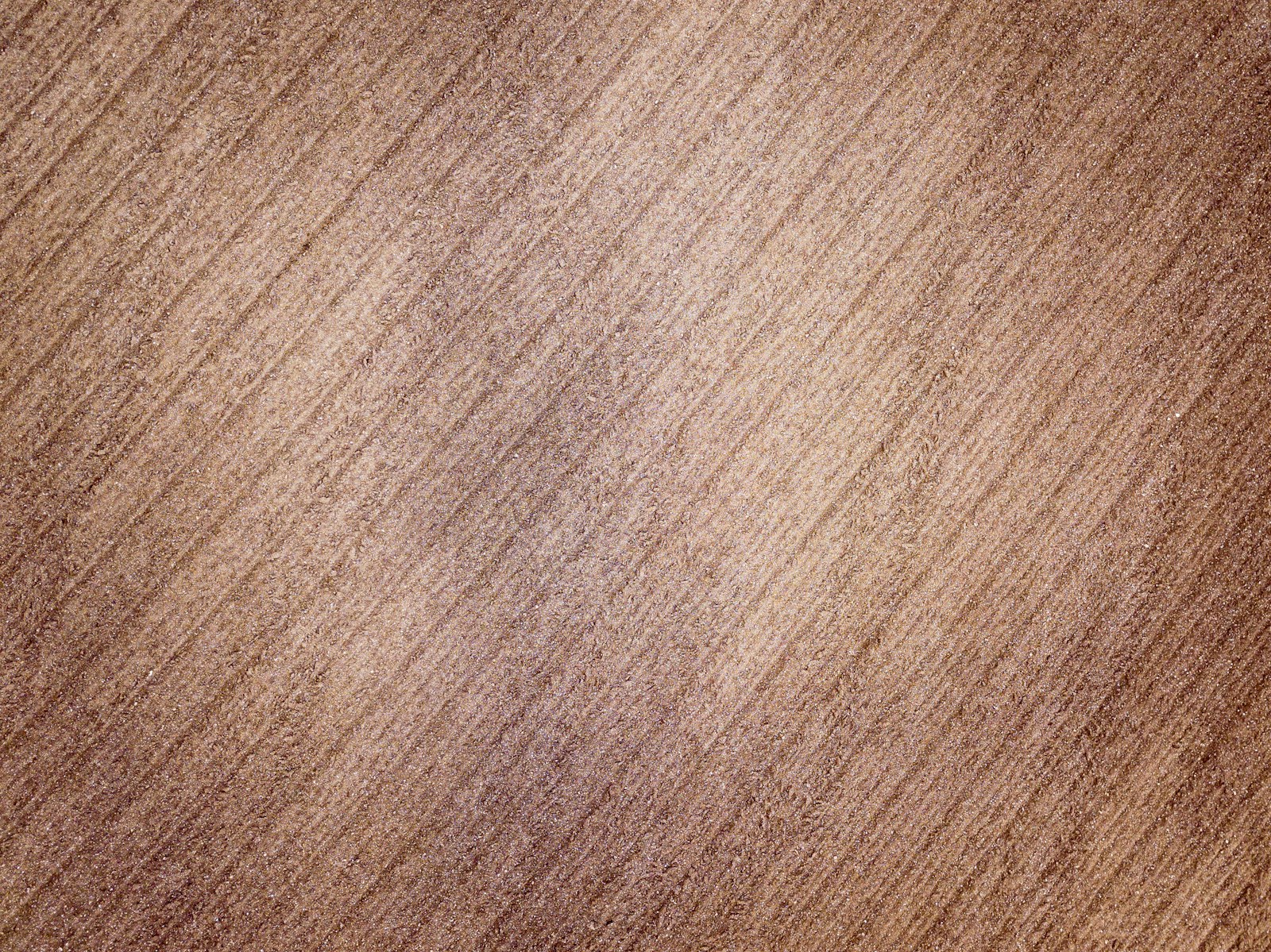
Light, open, and familiar. Natural Oak works well with white walls, linen upholstery, stone counters, and family dining spaces.
A slightly deeper oak tone that feels collected rather than rustic. Best for dining tables, sideboards, and coffee tables.
Quiet depth for rooms with leather, cream upholstery, dark hardware, or stronger architectural lines.
Fine-grain and clean. Ash keeps lighter furniture from feeling flat and supports soft bedroom pieces.
A grounded neutral for larger storage pieces and rooms that need contrast without turning severe.
A satin black wood finish that still shows grain. It is used sparingly for contrast pieces and bases.
Material direction
Foshan Oak uses a pragmatic mix of solid wood frames, stable panel construction, and controlled veneers where movement stability matters. The result is still warm and tactile, with fewer surprises after shipping.
Used for tables, sideboards, bed frames, and chairs where visible grain and a familiar American home tone matter.
Reserved for richer pieces, darker palettes, and rooms that want quiet weight without ornament.
Chosen for slender profiles and lighter finishes where clear grain and durability need to stay balanced.
Low-sheen finishes are preferred because they show texture gently and photograph well in real homes.
Care
The best care language sounds like something a homeowner would actually do.
Wipe with a soft, slightly damp cloth. Dry the surface after spills, especially on dining tops and nightstands.
Use trivets, coasters, and placemats. Avoid leaving wet glassware, hot pans, or potted plants directly on the finish.
Keep furniture out of harsh direct sun and extreme humidity changes. Natural wood will soften in tone over time.
Questions
Yes. The team can review a reference sample or image and prepare a close finish direction. For larger programs, sample boards should be approved before production.
Tables, chair frames, rails, and exposed edges use solid wood where it matters structurally and visually. Some case goods use stable panels and veneers to control movement across wider surfaces.
Warm Oak is the broadest starting point. It reads warm but not orange, pairs well with neutral upholstery, and photographs cleanly in both bright and evening light.
Need samples?
Share the room palette, target product, and preferred wood family. We will guide the finish conversation from there.